
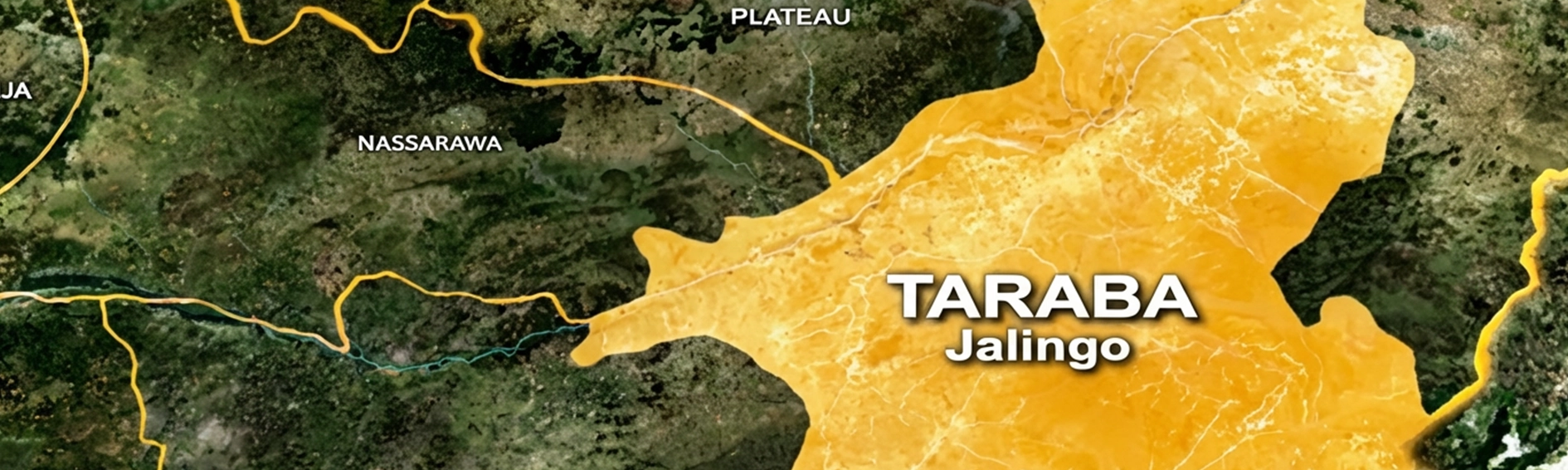
Taraba State was created on August 27, 1991, from the former Gongola State and named after the Taraba River. Historically, the region was the center of the powerful Jukun Kwararafa Kingdom and the Muri Emirate. Its unique colonial transition from German Kameruns to British Nigeria laid the foundation for the state's rich multicultural identity.

Fina Executive Governor
Taraba is a melting pot of over 80 ethnic groups, predominantly the Jukun, Mambilla, Fulani, and Tiv. This rich diversity fuels a vibrant cultural landscape defined by colorful festivals like the Nwonyo Fishing Festival, traditional craftsmanship, and enduring communal values that celebrate the state's deep heritage.
Located in Northeast Nigeria, Taraba is the country's third-largest state by land area, sharing a strategic international border with Cameroon. Its diverse terrain features the iconic Mambilla Plateau—Nigeria's highest elevation—alongside vast riverine lowlands drained by the Benue and Taraba rivers. This unique topography supports a rich mix of tropical rainforests and savannas, creating varied micro-climates suitable for diverse agricultural and ecological activities.
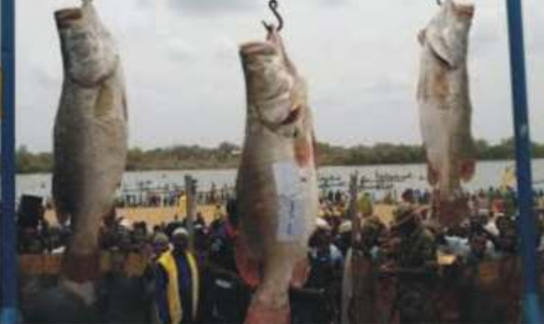
The renowned Nwonyo International Fishing Festival in Ibi is a signature cultural event that highlights Taraba's rich aquatic heritage. Attracting thousands of anglers and tourists, the festival features competitive fishing and cultural displays that stimulate the local economy. It serves as a vital platform for promoting tourism and fostering social cohesion.
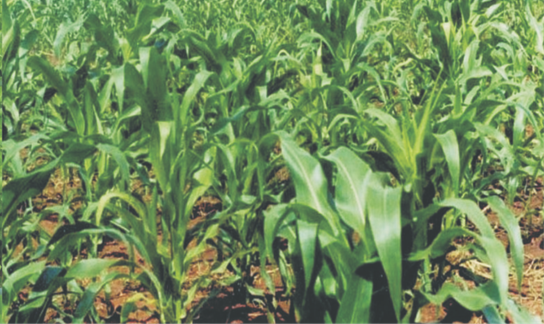
Taraba is an agricultural powerhouse with vast fertile land supporting the cultivation of staple crops like rice, maize, and yams, alongside cash crops such as cocoa, coffee, and tea. The Mambilla Plateau offers a unique temperate environment for exotic produce. This sector remains the backbone of the state's economy, holding immense potential for agro-processing and food security.
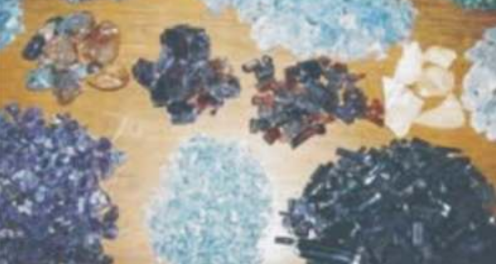
Taraba State is richly endowed with vast, largely untapped solid mineral reserves, including kaolin, barite, graphite, limestone, lead-zinc, and precious gemstones. Concentrated primarily on the Mambilla Plateau and surrounding regions, these deposits offer immense potential for industrial development. Harnessing these resources presents a strategic opportunity for economic diversification and investment beyond traditional agriculture.
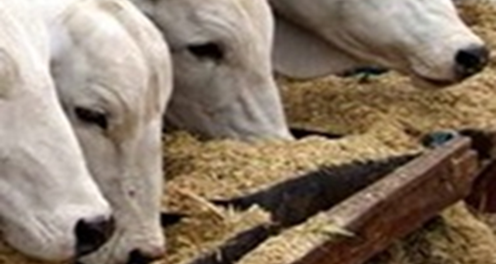
Taraba State is a premier livestock hub in Nigeria, ranking among the highest in cattle, sheep, and goat populations. The Mambilla Plateau offers a unique temperate climate ideal for dairy production and breeding. This vast sector holds immense potential for commercial ranching, meat processing, and leather manufacturing, serving as a critical driver for the state's economic diversification.
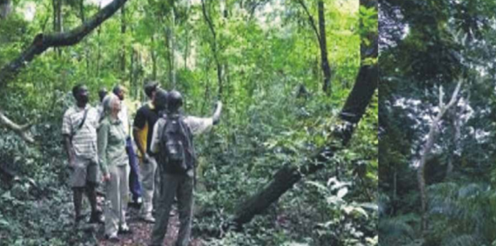
Taraba State possesses extensive forest reserves covering over 11,000 square kilometers, primarily located in Kurmi, Gashaka, and the Mambilla Plateau. These resources anchor a viable timber industry centered in Baissa and host the Gashaka-Gumti National Park, West Africa’s largest game reserve. While serving as critical buffers against erosion and drought, the forests face threats from illegal logging, necessitating sustainable management to preserve their economic
